Key Payroll Tax Deadlines
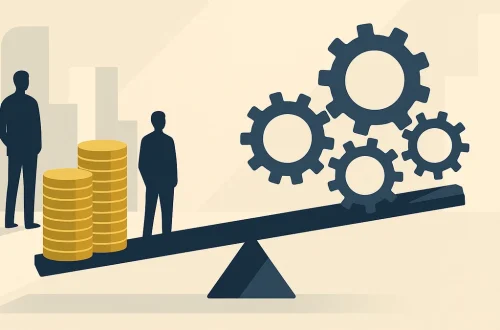
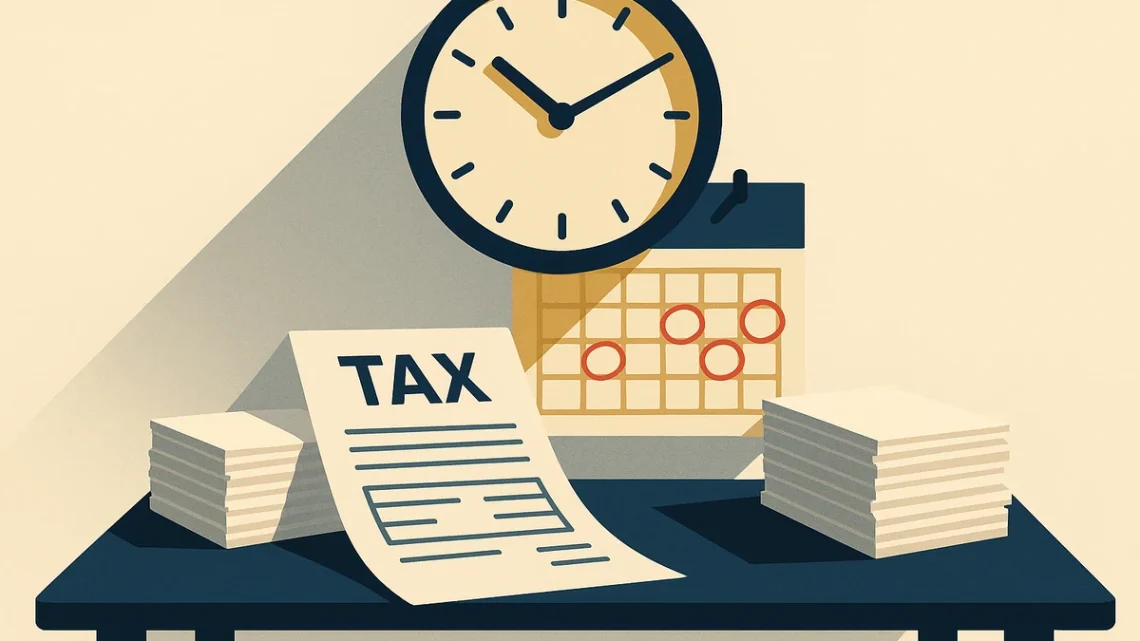
Meeting payroll tax deadlines is crucial to avoid penalties and ensure compliance for your US small business. Federal and state payroll tax obligations vary in frequency and requirements.
Federal Payroll Tax Deadlines
Federal payroll taxes generally include Federal Income Tax withholding, Social Security, Medicare, and Federal Unemployment Tax (FUTA). Typically, these taxes are due semi-weekly or monthly, depending on your payroll size. For example, if your total tax liability is $50,000 or more during the lookback period, you must deposit taxes semi-weekly. The annual FUTA tax return is usually due by January 31st each year, but confirm the current requirements with the IRS.
For businesses with smaller payrolls, the monthly deposit schedule might be applicable. If your total taxes are less than $50,000, you generally deposit on a monthly basis. Ensure you understand the lookback period, which typically covers July 1st through June 30th of the previous year. Misunderstanding this period can lead to incorrect deposit schedules and potential penalties.
State Payroll Tax Deadlines
State payroll tax deadlines often differ from federal ones, as states have their own requirements and schedules. These include state income tax withholding and unemployment insurance tax. Typically, deadlines vary by state, so check with your state’s tax agency to ensure compliance. Confirm deadlines annually, as they can shift based on state legislative changes.
Take California, for instance, where state unemployment insurance (SUI) taxes are generally due quarterly. Conversely, states like New York may require more frequent filings, especially for larger businesses. Understanding these nuances is key to avoiding costly mistakes. Failing to adhere to state-specific guidelines can result in penalties that vary significantly from one jurisdiction to another.
Understanding Payroll Tax Components
A clear understanding of payroll tax components is essential for accurate calculation and timely submission. This includes federal tax withholdings and contributions tied to employment.
Federal Income Tax Withholding
Federal Income Tax is withheld from employees’ wages based on their W-4 information. The IRS provides withholding tables to determine the appropriate amount. This withholding is part of the employer’s regular payroll tax deposit obligations.
Adjustments to withholding can occur if employees update their W-4 forms. For instance, an employee claiming more allowances or dependents may have less tax withheld. Employers must process these changes promptly to ensure compliance. Mismanagement of these updates can lead to under-withholding, potentially impacting both the employee and employer with interest and penalties.
Social Security and Medicare Taxes
Social Security and Medicare taxes, collectively known as FICA, are shared between employees and employers. As of 2026, employees and employers each contribute 6.2% for Social Security and 1.45% for Medicare. These rates are subject to annual adjustments by the IRS.
There are wage base limits for Social Security, which means contributions apply only up to a certain income level. As of 2026, confirm the current wage base, which can change annually. For Medicare, there is no wage base limit, but high-income earners may be subject to an additional 0.9% tax rate. Ensure your payroll system can handle these nuances to avoid errors in calculations.
Federal Unemployment Tax
Employers are responsible for FUTA payments, which fund unemployment benefits. The annual limit for FUTA tax can change, so verify the current rate each year. FUTA is usually reported annually on IRS Form 940, due by January 31st.
Employers can potentially receive a credit of up to 5.4% against their FUTA tax for timely state unemployment tax payments. This credit can significantly reduce the effective FUTA rate, but only if all required state contributions are current. Missteps in state tax payments can result in losing this credit, increasing overall tax liability.
Methods for Tracking Payroll Tax Deadlines
Efficiently tracking payroll tax deadlines can be handled through digital solutions or outsourced services, each offering unique advantages.
Using Payroll Software
Payroll software provides automated reminders and calculations, helping you stay on top of due dates. Most platforms integrate with accounting systems to streamline payroll tax filing. This reduces the risk of errors and ensures timely payments.
For example, some software solutions offer real-time updates on tax law changes and integrate directly with tax agencies for e-filing. This can be particularly beneficial in states with frequent legislative changes affecting tax deadlines. However, software must be regularly updated and monitored to maintain accuracy.
Outsourcing to a Payroll Service
Outsourcing payroll to a professional service can relieve administrative burdens and ensure compliance with changing regulations. These services are well-versed in federal and state requirements, providing peace of mind and allowing you to focus on core business activities.
When selecting a payroll provider, consider their experience with businesses of your size and industry. Some providers specialize in specific sectors, offering tailored advice and services. Ensure they offer comprehensive reporting and are transparent about their processes, so you remain informed and in control.
Common Payroll Tax Pitfalls
Even with careful management, common pitfalls can catch small businesses off guard. Recognizing these issues is the first step in avoiding them.
Late Payments
Late payroll tax payments can result in penalties and interest charges. Ensure timely deposits by setting up automated payments or reminders. Regular review of your payment schedule can prevent costly delays.
Consider a scenario where an unexpected cash flow issue delays a scheduled tax payment. Implementing a buffer in your payroll account can mitigate this risk. Additionally, communicate with tax agencies if you foresee a delay, as some may offer short-term relief or payment plans.
Misclassification of Employees
Misclassifying employees as independent contractors can lead to significant tax liabilities. The IRS has strict guidelines for classification, and incorrect categorization can result in back taxes and penalties. Always verify your classifications with a professional.
Consider using the IRS’s 20-factor test, which provides a framework for determining worker classification. Regular reviews of your workforce can help ensure that any changes in roles or responsibilities are accurately reflected in their classification, avoiding costly reclassifications and penalties.
Next Steps for Ensuring Compliance
Maintaining compliance with payroll tax responsibilities requires ongoing effort and vigilance. Implementing systematic checks and seeking expert advice are crucial.
Regular Review of Payroll Processes
Conducting regular audits of your payroll processes helps identify areas for improvement and ensures adherence to tax laws. Consider setting a quarterly review schedule to stay updated on any legislative changes impacting payroll.
During these reviews, pay special attention to any discrepancies in payroll records or tax filings. These audits can uncover errors before they escalate into larger compliance issues. Engaging employees in the review process can also provide insights into potential areas of improvement.
Consulting with a Professional
Engaging with a tax or accounting professional can provide clarity and ensure your practices align with current regulations. This proactive approach can prevent potential issues before they arise. Consider reading about when to hire a virtual CFO for your small business.
Professionals can offer insights into best practices and tax-saving strategies tailored to your business. They are also invaluable resources during audits or tax disputes, providing representation and support to protect your business interests.
Frequently Asked Questions
What happens if I miss a payroll tax deadline?
Missing a payroll tax deadline can result in penalties and interest charges from the IRS or state tax agencies. These penalties increase with the duration of non-compliance, so addressing missed deadlines promptly is critical.
How do state payroll tax deadlines differ from federal deadlines?
State payroll tax deadlines vary and may not align with federal schedules. Each state sets its own deadlines for income tax withholding and unemployment taxes. Always verify with your state tax agency for current deadlines.
Can payroll software ensure compliance with tax deadlines?
While payroll software can significantly aid in tracking deadlines and ensuring compliance, it is not foolproof. Regularly updating software settings and confirming entries can help prevent errors and missed deadlines.
What are the penalties for late payroll tax payments?
The IRS imposes penalties based on the amount of tax due and the length of the delay. State agencies may also charge penalties and interest. Ensuring timely payments can help avoid these additional costs.
How often should I review my payroll processes?
Regular reviews are recommended quarterly to ensure compliance and identify potential issues. This frequency helps you stay abreast of legislative changes and adjust your processes accordingly. Learn more about how payroll mistakes cost US businesses.
This article is for informational purposes only and is not tax, accounting, or legal advice. Consult a qualified professional about your specific situation.