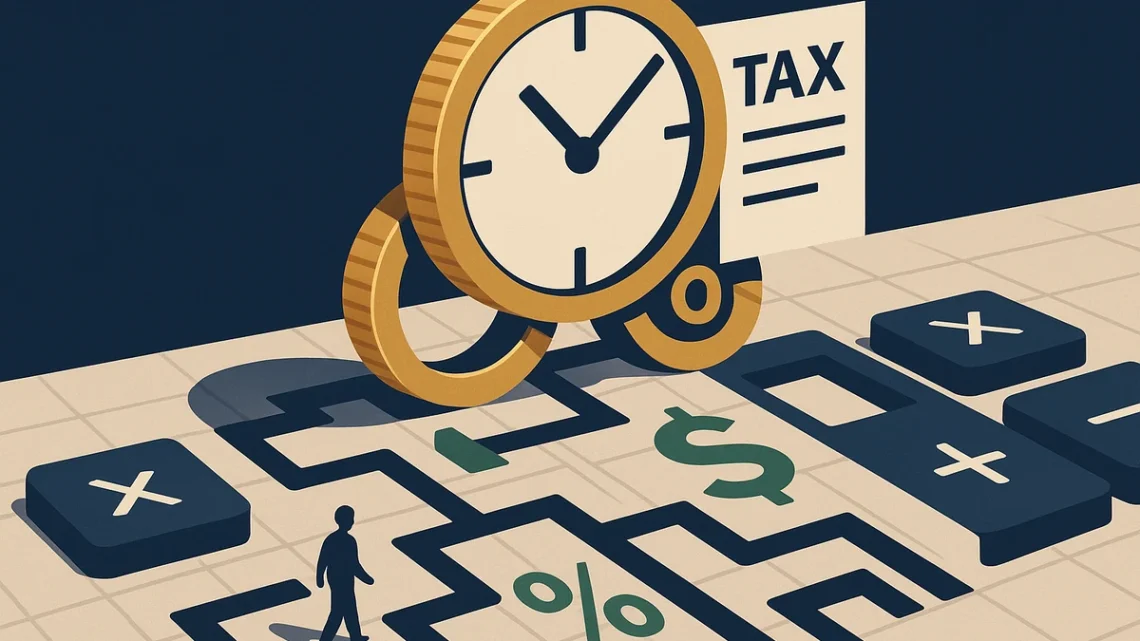
Understanding Quarterly Estimated Taxes
Quarterly estimated taxes are payments made four times a year by taxpayers who do not have sufficient taxes withheld from their income. These payments help you meet your tax obligations and avoid a large bill at the end of the year. The IRS requires these payments for those who earn income not subject to withholding, such as self-employment income, dividends, and rental income. Failing to make these payments can result in penalties, which underscores the importance of understanding your tax responsibilities as a business owner or freelancer.
Who Needs to Pay Estimated Taxes?
If you expect to owe at least $1,000 in taxes after subtracting your withholding and refundable credits, you generally need to make estimated tax payments. This often includes self-employed individuals, freelancers, and business owners. Even if you’re employed, you may need to pay estimated taxes if you receive significant non-wage income, like investment income or alimony. For instance, if you run a small business selling handmade goods online and also receive rental income, your combined earnings might require you to make these quarterly payments.
Calculating Your Estimated Tax Payments
Using Form 1040-ES
Form 1040-ES is the tool the IRS provides to help you calculate your estimated tax payments. It includes a worksheet that guides you through estimating your income, deductions, and credits for the year. Subtract your expected withholding and credits from your total estimated tax to find what you need to pay. The process requires accurate income forecasting, which can be complex if your earnings fluctuate significantly.
Common Calculation Methods
You can calculate your estimated tax payments using last year’s tax return as a baseline. Alternatively, estimate your current year’s income and deductions to avoid underpayment penalties. For more accurate results, consider consulting a tax professional. For example, if your business had a revenue spike this year due to a new product launch, relying solely on last year’s return might lead to underpayment.
Quarterly Tax Payment Deadlines
Estimated taxes are typically due on April 15, June 15, September 15, and January 15 of the following year. If any due date falls on a weekend or holiday, the deadline is the next business day. Missing these deadlines can result in penalties, so mark them on your calendar. Timely payments ensure you remain compliant with IRS requirements and help you avoid unnecessary financial penalties that could impact your cash flow.
Avoiding Penalties for Underpayment
To avoid penalties, ensure you pay at least 90% of your current year’s tax liability or 100% of your previous year’s liability, whichever is less. If your adjusted gross income is over $150,000, you must pay 110% of the previous year’s liability. Use the IRS’s safe harbor rules to avoid penalties if your income varies throughout the year. For instance, if you are a freelancer whose income doubles during the holiday season, adjusting your payments based on projected earnings might be prudent.
Next Steps for Managing Estimated Taxes
Developing a financial strategy is crucial for managing estimated tax payments. Keep track of your income and expenses to adjust your payments as needed. Use resources like our top strategies for managing cash flow to ensure you have funds available when payments are due. Consider setting aside a percentage of each payment you receive into a separate account dedicated to taxes to avoid cash flow issues at the time your estimated taxes are due.
Frequently Asked Questions
What happens if I miss a quarterly tax payment?
If you miss a quarterly tax payment, the IRS may impose a penalty for underpayment. The penalty is calculated based on the amount of the underpayment and the period it was underpaid. The penalties can increase over time, which makes it important to address any missed payments promptly. Consider setting up reminders or automating payments to prevent missing deadlines.
Can I adjust my estimated tax payments throughout the year?
Yes, you can adjust your estimated tax payments if your income or expenses change. It’s important to review your situation periodically to avoid underpayment penalties. This flexibility is particularly beneficial for those in industries with seasonal income variations, allowing them to match payments more closely to their actual earnings.
What income should be included in estimated tax calculations?
Include all taxable income not subject to withholding, such as self-employment income, dividends, rental income, and any other sources not covered by employer withholding. Properly accounting for these ensures that your estimated tax payments are accurate, minimizing the risk of penalties and the impact on your financial planning.
How do I pay my estimated taxes online?
You can pay your estimated taxes online using the IRS Direct Pay system or the Electronic Federal Tax Payment System (EFTPS). Both options provide a secure and efficient way to make your payments. These systems allow you to schedule payments in advance, giving you peace of mind that your obligations are met without last-minute stress.
Are there any exceptions to paying estimated taxes?
Yes, there are exceptions. For example, if you had no tax liability in the prior year or if you meet certain criteria for farmers and fishermen, you may be exempt. Check specific IRS guidelines or consult a professional for detailed exceptions. Understanding these exceptions can prevent unnecessary payments and help you optimize your tax strategy.
This content is for educational and informational purposes only and does not constitute accounting, tax, financial, legal, or investment advice. Laws, regulations, and financial requirements may change. Please consult a qualified professional for advice specific to your situation.